



By Indus Zone Media Legal Desk | Updated: November 7, 2025 | West Bengal OBC List Case
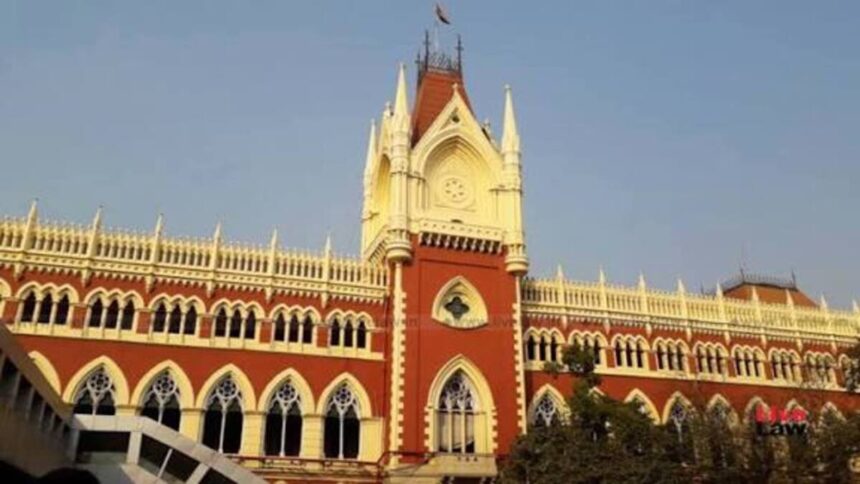
In a significant development, the Supreme Court of India has stayed all proceedings in the Calcutta High Court related to the West Bengal government’s preparation of a new list of Other Backward Classes (OBCs).
The three-judge bench, headed by Chief Justice of India B.R. Gavai, issued the order on Thursday, November 6, 2025, following an appeal by the State of West Bengal represented by senior advocate Kapil Sibal. The top court directed that the High Court must not continue hearings on the case until further orders.
Supreme Court Questions High Court’s Move
During the hearing, Chief Justice Gavai questioned why the High Court was continuing to hear the case despite the matter already being under consideration by the Supreme Court.
“When the Supreme Court is seized of the matter, how can the High Court continue hearing it?”
— Chief Justice B.R. Gavai
Kapil Sibal, appearing for the State, informed the bench that the High Court intended to proceed and give a final ruling even though the issue was pending before the Supreme Court. Based on this submission, the apex court issued a formal stay and scheduled the matter to be taken up again after four weeks.
Background: OBC Classification Dispute in West Bengal
The controversy stems from the West Bengal government’s move to prepare a new OBC list, following earlier judicial scrutiny over how certain communities were classified.
In May 2024, the Calcutta High Court had struck down the State’s earlier policy that included several Muslim communities under the OBC category. The court ruled that religion cannot be the sole basis for reservation, calling the inclusion of 77 Muslim classes as “backward” an “affront to the Muslim community as a whole.”
Following that judgment, around five lakh OBC certificates issued in the State since 2010 were affected. The verdict also invalidated specific sections of the West Bengal Backward Classes (Other than SCs and STs) Reservation of Vacancies in Services and Posts Act, 2012 — including Section 16, Section 2(h) (second part), and Section 5(a) — which governed sub-classifications and reservation percentages for OBC-A and OBC-B categories.
State’s Request for Time and High Court’s Response
In March 2025, the State government had sought three months’ time from the Supreme Court, explaining that the West Bengal Commission for Backward Classes was conducting a fresh survey and review of the existing OBC categories.
However, despite this ongoing review, the Calcutta High Court on June 17, 2025, issued an interim stay on the State’s new benchmark survey and related notifications, saying they violated the previous year’s judgment.
The State then approached the Supreme Court, arguing that the High Court’s move interfered with the Commission’s work and that the issue should not be heard simultaneously by two courts.
Next Steps in the Legal Battle
With the Supreme Court’s latest stay order, the Calcutta High Court proceedings have been paused until further directions are issued. The matter will next come up for hearing in the Supreme Court after four weeks, where both sides are expected to present detailed arguments on the legality of the OBC reclassification in West Bengal.
The ruling marks another chapter in the ongoing debate over caste-based reservation policies and how religion, social, and economic factors intersect in defining backwardness under India’s constitutional framework.