


By The Indus Zone Tech Deak | Updated: October 16, 2025 | New Delhi | Dhruv Rathee Questions Shah Rukh Khan’s Paan Masala Endorsement
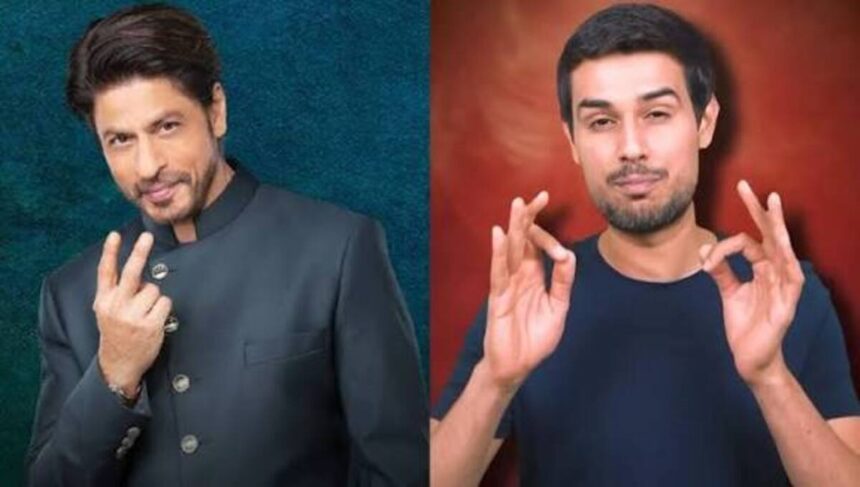
YouTuber and social commentator Dhruv Rathee has once again ignited a public debate — this time over Bollywood megastar Shah Rukh Khan’s endorsement of paan masala brands. Rathee, known for his outspoken social awareness videos, posted a detailed video and a thread on X (formerly Twitter), questioning why one of India’s wealthiest actors continues to promote products often associated with health risks.
The Video That Sparked the Conversation
In his video, Dhruv Rathee highlighted Shah Rukh Khan’s staggering net worth of $1.4 billion (approximately ₹12,400 crore), quoting reports that label SRK as one of the richest film stars in the world. He argued that with such immense wealth, the actor does not need to accept endorsements for products that may have negative social and health implications.
Rathee said,
“Shah Rukh Khan ab ek billionaire ban chuke hai… unki net worth $1.4 billion pohach chuki hai. Rupiyo mein kaha jaaye toh kareeb ₹12,400 crore hota hai. Isko imagine kar pana bhi mushkil hai.”
(“Shah Rukh Khan has now become a billionaire. His net worth has reached $1.4 billion, which is around ₹12,400 crore. It’s hard to even imagine how much money that is.”)
Using this as context, Rathee questioned the need for additional endorsement deals — particularly those related to paan masala or tobacco-based products, which have long been criticized for their potential health hazards.
Questioning the Ethics of Celebrity Endorsements
In his post and video, Rathee raised a pointed question that resonated with millions online:
“Mera Shah Rukh Khan se sawaal yeh hai, kya itne paise kaafi nahi hai kya? Agar kaafi hai toh kya majburi padi ke paan masala jaisi haani kaarak chiz ko aap abhi bhi promote kar rahe ho?”
(“My question to Shah Rukh Khan is: Isn’t this much money enough? If it is, then what compels you to still promote something as harmful as paan masala?”)
The core of Rathee’s argument centered on moral and social accountability. He suggested that when influential figures like Shah Rukh Khan promote certain brands, their actions have a ripple effect on public perception — especially among younger audiences who idolize these celebrities.
The Debate Around Celebrity Responsibility
Rathee emphasized that public figures carry a responsibility that extends beyond entertainment. Their choices in brand endorsements can shape behaviors and social attitudes.
He continued,
“Sawaal yeh hai ke kya aapko yeh extra ₹100–200 crore ki sahi mein zarurat bhi hai? Apne andar jhaak kar honestly yeh sawaal pucho. Kya kijiyega itni dhan raashi ka? Aur dusri taraf sochkar dekho, desh ka top actor agar yeh haani kaarak chize promote karna bandh kar dega, toh kya impact padega iska desh par?”
(“The question is, do you really need an extra ₹100–200 crore? Look within yourself and ask honestly — what will you even do with so much money? Now think about it from another perspective: if the country’s top actor stops promoting harmful products, imagine what kind of positive impact it could have.”)
Through this statement, Rathee urged not just Shah Rukh Khan but all celebrities to consider the broader consequences of their endorsements — particularly when it involves products linked to addiction, health issues, or misleading marketing.
The Larger Issue: Celebrity Culture and Public Health
The conversation sparked by Rathee’s remarks ties into a larger ongoing discussion about celebrity influence and ethical marketing in India. In recent years, several Bollywood stars have faced criticism for promoting products such as fairness creams, alcohol surrogates, and paan masala.
These products are often advertised using creative loopholes — with terms like “elaichi” or “cardamom” used as surrogate advertising to bypass tobacco advertisement bans. Critics argue that these ads indirectly promote the use of harmful substances, even if the packaging or product name appears harmless.
Public health experts have long maintained that such promotions contribute to the normalization of risky habits among impressionable viewers. When icons like Shah Rukh Khan, Ajay Devgn, or Akshay Kumar appear in such campaigns, they lend credibility and glamour to the brand — potentially influencing millions to try similar products.
Public Reactions on Social Media
As soon as Rathee’s post went viral, social media platforms were abuzz with discussions. Many users supported his stance, applauding him for calling out what they described as the “hypocrisy” of celebrities who endorse harmful products despite immense financial security.
One user wrote on X, “Dhruv Rathee is right. When you’ve already achieved everything, why promote something that can harm others?” Another comment read, “Celebrities should lead by example. They influence millions — with great power comes great responsibility.”
However, not everyone agreed. Some fans defended Shah Rukh Khan, arguing that endorsements are a personal choice and part of an actor’s professional commitments. Others suggested that paan masala advertisements are legal and that it’s unfair to single out one celebrity.
Despite the divided opinions, the debate once again highlights the growing awareness among audiences regarding celebrity ethics and consumer health.
Dhruv Rathee’s Impact as a Social Commentator
Known for his analytical videos on politics, environment, and social issues, Dhruv Rathee commands a massive following on YouTube and other social platforms. His videos often blend facts, data, and moral reasoning, prompting viewers to think critically about public policies and celebrity behavior.
By questioning Shah Rukh Khan’s brand endorsements, Rathee not only reignited the discussion around ethical advertising but also encouraged introspection among fans and influencers alike. His video, within hours of release, garnered thousands of views and sparked debates across online forums, news outlets, and digital media platforms.
The Broader Takeaway
The controversy underscores a deeper question — should celebrities be more selective about the brands they represent?
In a country where film stars are idolized, their words and actions carry weight beyond the screen. Endorsements from figures like Shah Rukh Khan can influence purchasing decisions and shape cultural norms. Hence, calls for ethical responsibility in brand partnerships are gaining traction, especially as audiences become more aware of marketing tactics.
Dhruv Rathee’s argument also reflects a changing generation of media consumers — one that expects transparency, integrity, and accountability from its public figures. His message is simple yet powerful: when you already have immense wealth and influence, using it responsibly can make a difference that money cannot buy.
Conclusion
The discussion surrounding Shah Rukh Khan’s paan masala endorsement and Dhruv Rathee’s critique is more than a celebrity controversy — it’s a reflection of society’s evolving expectations from its icons. As the debate grows, it challenges both stars and brands to rethink their strategies and align fame with social responsibility.
Whether or not Shah Rukh Khan responds to Rathee’s remarks, the issue has successfully reignited an important national conversation — one that asks India’s most powerful celebrities to use their influence for collective good.